

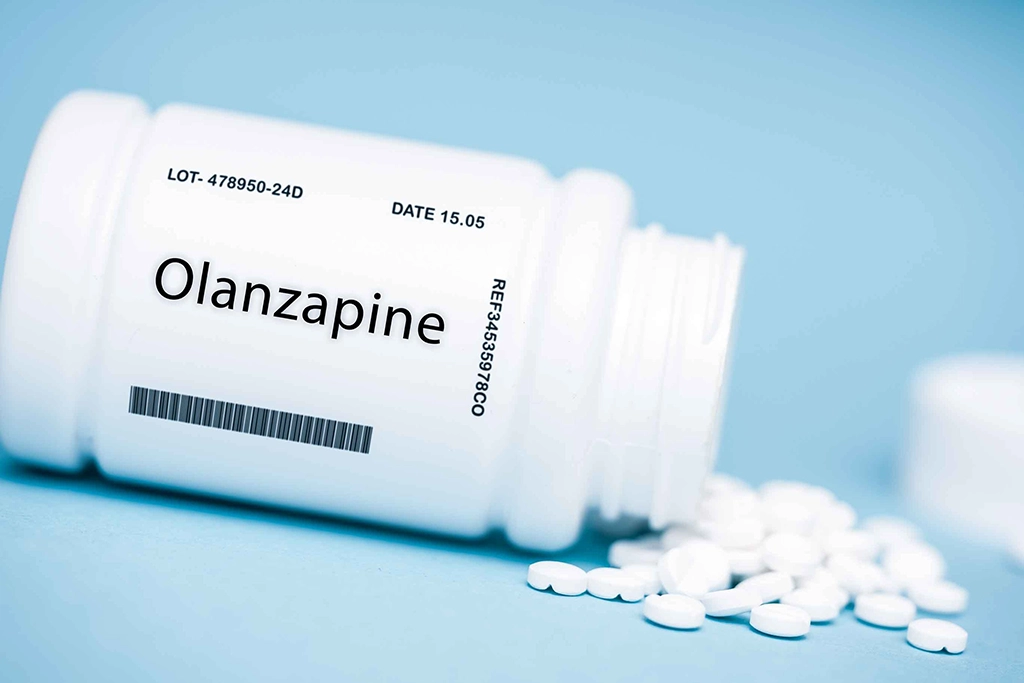
Olanzapine is a prescription medicine used for several serious mental health conditions. It belongs to a group of medicines called atypical antipsychotics or second-generation antipsychotics.
This guide explains how olanzapine works, what it treats, and which side effects you should know. It is meant for education only. It does not replace advice from your health care team.
What Is Olanzapine?
Olanzapine is an antipsychotic medication. Doctors use it mostly for:
- Schizophrenia
- Bipolar I disorder
- The acute treatment of manic or mixed episodes in bipolar disorder
- Some cases of treatment resistant depression when used with fluoxetine
Olanzapine can be part of long term treatment to keep symptoms stable. It may also help during short, severe flare-ups of mood or psychosis.

How Olanzapine Works in the Brain
Researchers do not know every detail of how olanzapine works. We do know several important actions.
Olanzapine blocks certain dopamine receptors in the brain. These include D2 receptors. Too much dopamine activity in specific brain pathways can cause hallucinations and delusions. Blocking these receptors helps reduce those symptoms.
Olanzapine also blocks several serotonin receptors, especially 5-HT2A and 5-HT2C. This balance between dopamine and serotonin activity is a key feature of atypical antipsychotics. It can improve mood and thinking while lowering the risk of some movement side effects.
Olanzapine affects other receptors too.
- Histamine H1 receptors, which can cause sedation and weight gain
- Muscarinic receptors, which can cause dry mouth and constipation
- Alpha-1 receptors, which can affect blood pressure
Because of these many actions, olanzapine can help with both mood and psychotic symptoms. The same actions also explain many of its side effects.
Who Might Receive Olanzapine?
Your clinician may consider olanzapine if you have a serious mental health condition such as:
- Schizophrenia
- Bipolar disorder with mania or mixed episodes
- Depression that has not improved with other treatments
Olanzapine is usually not the first choice for mild symptoms.
It is reserved for conditions where the benefits can outweigh the risks.
Olanzapine is not approved for behavior problems in older adults with dementia. In that group it can increase the risk of death and stroke.
Forms, Doses, and How It Is Taken
Olanzapine comes in several forms:
- Standard tablets
- Orally disintegrating tablet that melts on the tongue
- Short-acting injections
- Long-acting injectable forms in some settings
Tablets are usually taken once a day. Some adults may be prescribed doses such as 5 mg, 10 mg, or 20 mg daily. Only your prescriber can decide the right dose for you.
Store tablets at room temperature, away from moisture and heat. Keep them out of reach of children and pets.
Never start, stop, or change your dose on your own. Always follow your clinician’s instructions carefully.
Common Side Effects of Olanzapine
Like all medications, olanzapine can cause side effects. Some are mild and common. Others are rare but serious.
A common side effect of olanzapine is weight gain. The medicine can increase appetite and change how your body handles sugar and fats.
Other frequent side effects include:
- Drowsiness or feeling very sleepy
- Dizziness
- Constipation
- Dry mouth
- Increased appetite
- Mild changes in blood pressure when standing
These effects may improve after your body adjusts. Still, report them if they bother you.
Metabolic Effects: Blood Sugar, Cholesterol, and Weight
Olanzapine can affect your metabolism. This is very important for long term health.
The medicine may increase the risk of:
- High blood sugar or new-onset diabetes
- Higher cholesterol or triglycerides
- Significant weight gain over time
For this reason, your health care team may:
- Check blood sugar and cholesterol regularly
- Monitor your weight and waist size
- Talk with you about nutrition and activity
You can help by choosing balanced meals and staying physically active. Ask your clinician before starting any new diet or exercise program.
Serious Risks and Emergency Warning Signs
Serious reactions are rare but can be life-threatening. They need urgent medical care.
Neuroleptic Malignant Syndrome
One rare complication is neuroleptic malignant syndrome. This can occur with many antipsychotic medications, including olanzapine.
Warning signs include:
- Very high fever
- Stiff or rigid muscles
- Confusion or changes in awareness
- Fast heart rate and unstable blood pressure
- Heavy sweating
Call emergency services right away if these appear. Do not wait to see if symptoms improve.
Other Serious Problems
Call your care team or seek urgent care if you notice:
- Signs of severe allergic reaction, such as trouble breathing or swelling
- New or worsening thoughts of self-harm
- Seizures
- Sudden chest pain or trouble breathing
- Uncontrolled movements of the face, lips, or tongue
These are not common. However, they must be taken seriously.
Alcohol, Other Medicines, and Safety Tips
Ask your clinician before you drink alcohol while taking olanzapine. Alcohol can increase drowsiness and impair judgment.
Tell your care team about all medicines and supplements you use. Olanzapine can interact with other drugs that affect the brain or blood pressure.
Do not drive or operate heavy machines until you know how olanzapine affects you. Some people feel very sleepy or dizzy, especially at the beginning.
Short-Term vs Long Term Treatment
Olanzapine may be used in both short-term and long term treatment plans.
Short-term use can help stabilize:
- Sudden mania or mixed mood episodes
- Severe agitation or psychosis
Longer treatment may help prevent relapse. It can support more stable mood and thinking over time.
Your clinician will weigh:
- How well your symptoms respond
- How you tolerate side effects
- Your physical health, including metabolic risks
Never stop olanzapine suddenly without guidance. Stopping abruptly can cause symptoms to return or worsen.
Olanzapine for Treatment Resistant Depression
In some cases of treatment resistant depression, olanzapine is combined with fluoxetine. This combination targets both mood and thought patterns.
Because of extra side effect risks, this option is usually considered after other treatments fail. Close monitoring is essential.
How Olanzapine Fits into Your Overall Health Care
Olanzapine is only one part of your health care plan. Good care usually includes:
- Regular visits with your mental health provider
- Talk therapy or counseling
- Support for sleep, stress, and substance use
- Attention to physical health, including weight and blood pressure
At Fallbrook Medical Center, we coordinate care across specialties. Our goal is to support both your mind and body.
FAQ: How Olanzapine Works
How long does it take for olanzapine to work?
Some people notice better sleep or calmer thoughts within a few days. Full improvement in mood or psychosis can take several weeks.
How olanzapine works compared with older antipsychotics?
Olanzapine is a second generation antipsychotic. It blocks dopamine and serotonin receptors in a different balance than older drugs. This may reduce movement-related side effects for many patients.
Can I stop olanzapine once I feel better?
Do not stop on your own. Your clinician may slowly lower the dose if it is safe. Stopping suddenly can cause symptoms to return.
Is olanzapine safe for everyone?
No single medicine is right for everyone. Olanzapine is not recommended for older adults with dementia-related psychosis. People with diabetes, heart disease, or severe obesity need careful monitoring.
Conclusion
Olanzapine can be a powerful tool for conditions like schizophrenia, bipolar disorder, and treatment resistant depression. It works by adjusting brain chemicals such as dopamine and serotonin.
The same actions that improve mood and thinking can also cause side effects, including weight gain and high blood sugar. Rare problems like neuroleptic malignant syndrome require urgent care but are uncommon.
If you are receiving olanzapine, stay closely connected with your health care team. Ask questions, attend follow-up visits, and report new symptoms early.
At Fallbrook Medical Center, we are here to help you understand your medications. Together, we can build a safe, effective plan that supports your long-term wellness.
Sources
- Cleveland Clinic. (2023). Olanzapine (Zyprexa): Uses and side effects.
- DrugBank. (2024). Olanzapine: Uses, interactions, mechanism of action.
- Mayo Clinic. (2025). Olanzapine (oral route): Description and side effects.
- MedlinePlus. (2024). Olanzapine injection and olanzapine combinations: Drug information. U.S. National Library of Medicine.
- National Alliance on Mental Illness. (2024). Olanzapine (Zyprexa).
- Thomas, K., & colleagues. (2023). Olanzapine. In StatPearls. StatPearls Publishing.
Wikipedia contributors. (2025). Olanzapine. In Wikipedia, The Free Encyclopedia.