


What are the 12 symptoms of Long COVID?

Long COVID can affect daily life long after a COVID-19 infection ends. This guide explains the 12 key symptoms identified in large research studies. (Estimated time: 8 min read)
Long COVID basics
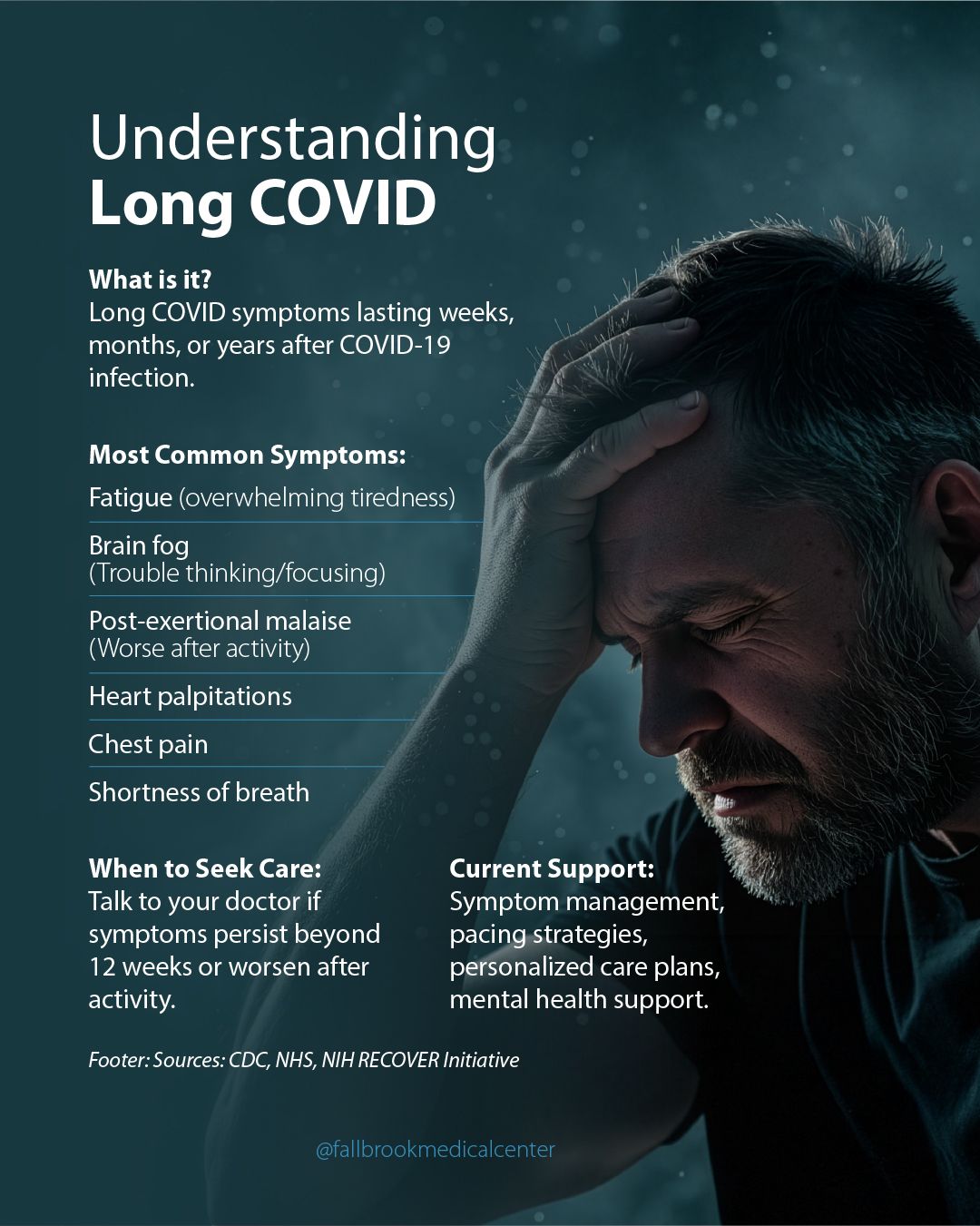
Long COVID can include ongoing symptoms and conditions lasting weeks, months, or years. Symptoms can appear, improve, return, or change over time.
Clinicians sometimes call long COVID post COVID syndrome in clinical settings. People also call it post-acute sequelae of SARS-CoV-2 infection (PASC).
People with long covid can experience symptoms that affect the body, the mind, or both. Some symptoms worsen after physical or mental effort.
The 12 symptoms clinicians watch
Researchers analyzed symptom patterns and identified 12 symptoms that best separated long COVID cases. Many patients report several symptoms at once, with different severity levels.
1) Post-exertional malaise (PEM)
Post exertional malaise means symptoms worsen after minor physical or mental activity. This pattern is a key hallmark in long COVID symptom scoring systems.
2) Fatigue
Fatigue can feel overwhelming and may disrupt work, sleep, and routines. It is among the most common symptoms reported by people with long covid.
3) Brain fog
Brain fog describes trouble thinking, focusing, or finding words during conversations. It is also listed among the 12 symptoms highlighted in NIH RECOVER findings.
4) Dizziness
Dizziness can feel like lightheadedness, especially when standing or changing positions. It is one of the 12 symptoms used to distinguish long COVID in studies.
5) Gastrointestinal symptoms
Gastrointestinal symptoms may include stomach pain, constipation, or diarrhea. These issues appear in the 12-symptom set identified in large datasets.
6) Heart palpitations
Heart palpitations can feel like pounding, racing, or irregular heartbeats. They are included among the 12 symptoms that help define long COVID cases.
7) Changes in sexual desire or capacity
Some people experience reduced sexual desire or changes in sexual function. This symptom is part of the 12-symptom cluster described by NIH researchers.
8) Loss of smell or taste
Some people notice reduced smell or taste, or new distortions in these senses. Loss of smell or taste is also part of the 12 key symptoms found in studies.
9) Thirst
Persistent thirst was identified as one of the symptoms that can help flag long COVID. It may occur alongside fatigue, dizziness, or gastrointestinal symptoms.
10) Chronic cough
A chronic cough can continue long after the initial infection resolves. Coughing is also listed among commonly reported long COVID symptoms.
11) Chest pain
Chest pain may feel sharp, tight, or pressure-like, and it deserves evaluation. Chest pain is included among the 12 symptoms highlighted in NIH analysis.
12) Abnormal movements
Some patients experience tremors or other unusual movements after infection. Abnormal movements were included in the 12-symptom set reported by NIH.
Other symptoms of long covid can still matter, even if not in the “12” set. These can include pins and needles sensations, anxiety, or depression affecting mental health.
Other common symptoms
Public health and clinical sources note a wider set of common symptoms beyond the research score. For example, long COVID may include breathing issues, cough, chest pain, and heart palpitations.
Neurologic and sensory issues may also appear, including headaches, sleep problems, and changes in smell or taste. Some people report pins and needles sensations, which can be persistent or intermittent.
Long COVID can also affect mood and daily coping. Anxiety and depression are listed among possible symptoms, so emotional support matters.
Treatments and next steps
There is currently no cure for long COVID, and research is ongoing. Treatments for long covid generally focus on symptom relief, function, and quality of life.
The NHS notes support may involve multiple professionals and a personalized plan. Options may include fatigue management, physiotherapy, breathing support, and cognitive rehabilitation. CBT may help some people with anxiety, depression, and fatigue management.
CDC guidance encourages discussing persistent or unexplained symptoms with a healthcare provider. NHS guidance advises seeing a GP if long COVID is suspected. If symptoms worsen after activity, pacing strategies may help reduce post-exertional crashes.
FAQs
Can long COVID symptoms come and go?
Symptoms may improve, return, or fluctuate over time. The NHS also notes symptoms can get better, come and go, or appear newly.
Is long COVID only physical?
Long COVID can involve physical symptoms and mental health concerns. Depression and anxiety are listed among commonly reported symptoms.
When should we check chest symptoms?
Chest pain and shortness of breath should be discussed promptly with a clinician. Ongoing or severe symptoms may require broader evaluation and monitoring.
Sources
- Centers for Disease Control and Prevention. (2025, July 24). Long COVID signs and symptoms.
- National Health Service. (2025, November 11). Long COVID.
- National Institutes of Health. (2023, May 25). Large study provides scientists with deeper insight into long COVID symptoms.
- University of Nebraska Medical Center. (2023, May 30). These 12 symptoms may define long COVID, new study finds.