


Flu Symptoms 2026: Signs, Treatment, and Prevention

Flu symptoms 2026 often appear suddenly and can feel intense. Early recognition supports safer choices for work, school, and family contact.
Seasonal influenza is a contagious respiratory illness caused by the flu virus. It can cause mild to severe illness and sometimes leads to death.
Why flu symptoms matter this season
During flu season, respiratory viruses spread quickly in homes and communities. Illness often spreads when people cough or sneeze near others.
In CDC surveillance for late December 2025, influenza A(H3N2) was the most reported subtype. This makes influenza A H3N2 virus an important strain to track this season.
Symptoms of the flu to watch for
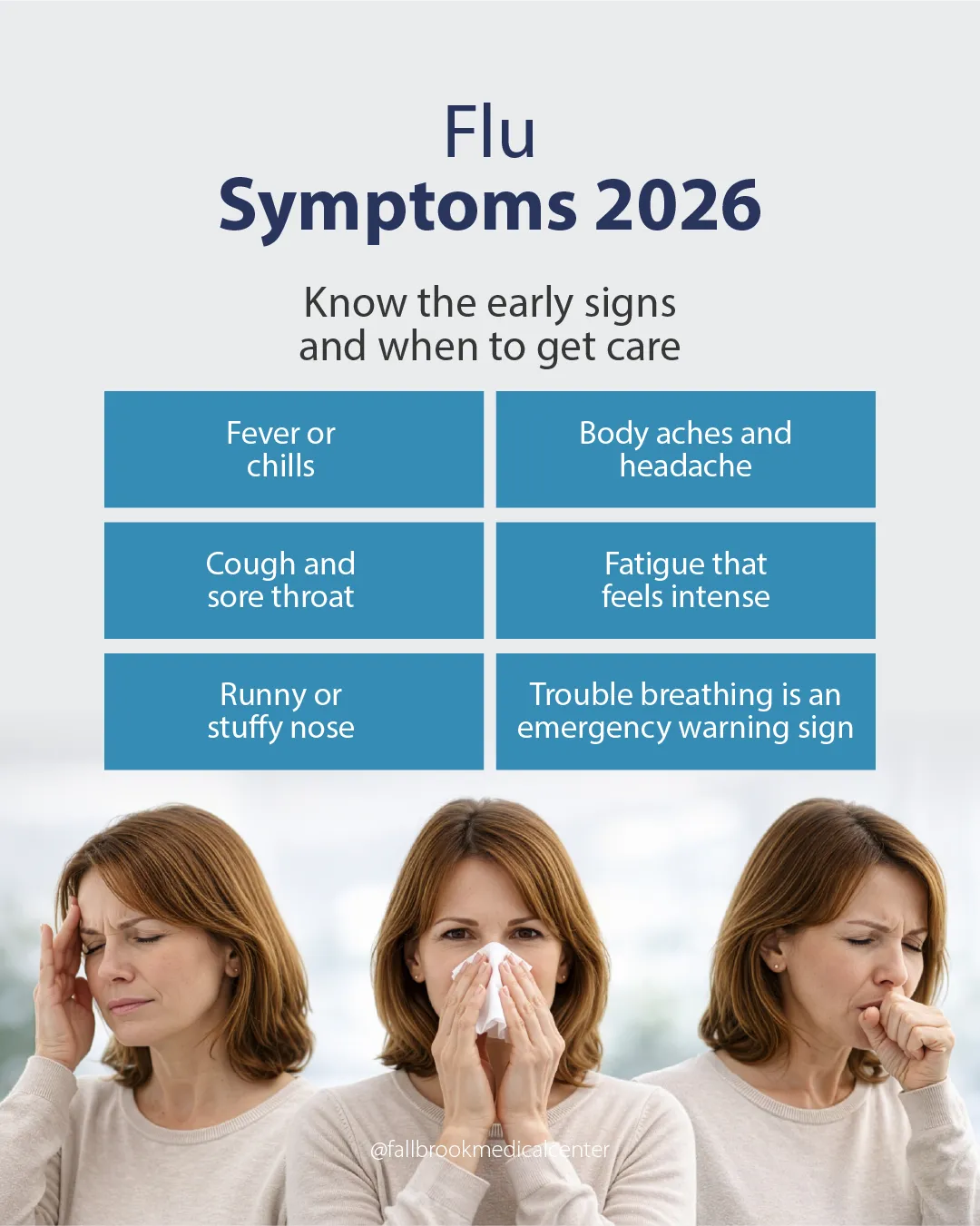
Symptoms of the flu usually come on suddenly, not gradually. Many people feel several symptoms at the same time.
Common symptoms include fever or feeling feverish with chills. Cough and sore throat are also common early signs.
Runny nose or a stuffy nose may occur with influenza. Muscle pain and body aches can be strong and persistent.
Headaches and fatigue are also typical symptoms of the flu. Some people develop vomiting or diarrhea, especially children.
Cold versus flu symptoms
Colds often start gradually, while flu symptoms start abruptly. CDC also notes fever is rare with colds and more common with influenza.
Aches with a cold are usually slight, while flu aches can be severe. Fatigue and weakness are also more typical with influenza.
When symptoms start and what to expect
Symptoms start quickly for many patients, often within one day of feeling well. Fever commonly lasts several days in many cases
Recovery varies by age and health history. Many people improve within days, but some take longer
Flu can also cause complications like pneumonia. Flu can worsen chronic medical problems like asthma or heart disease
When to seek urgent care
Certain warning signs suggest a higher risk situation. Get medical care right away for difficulty breathing or shortness of breath.
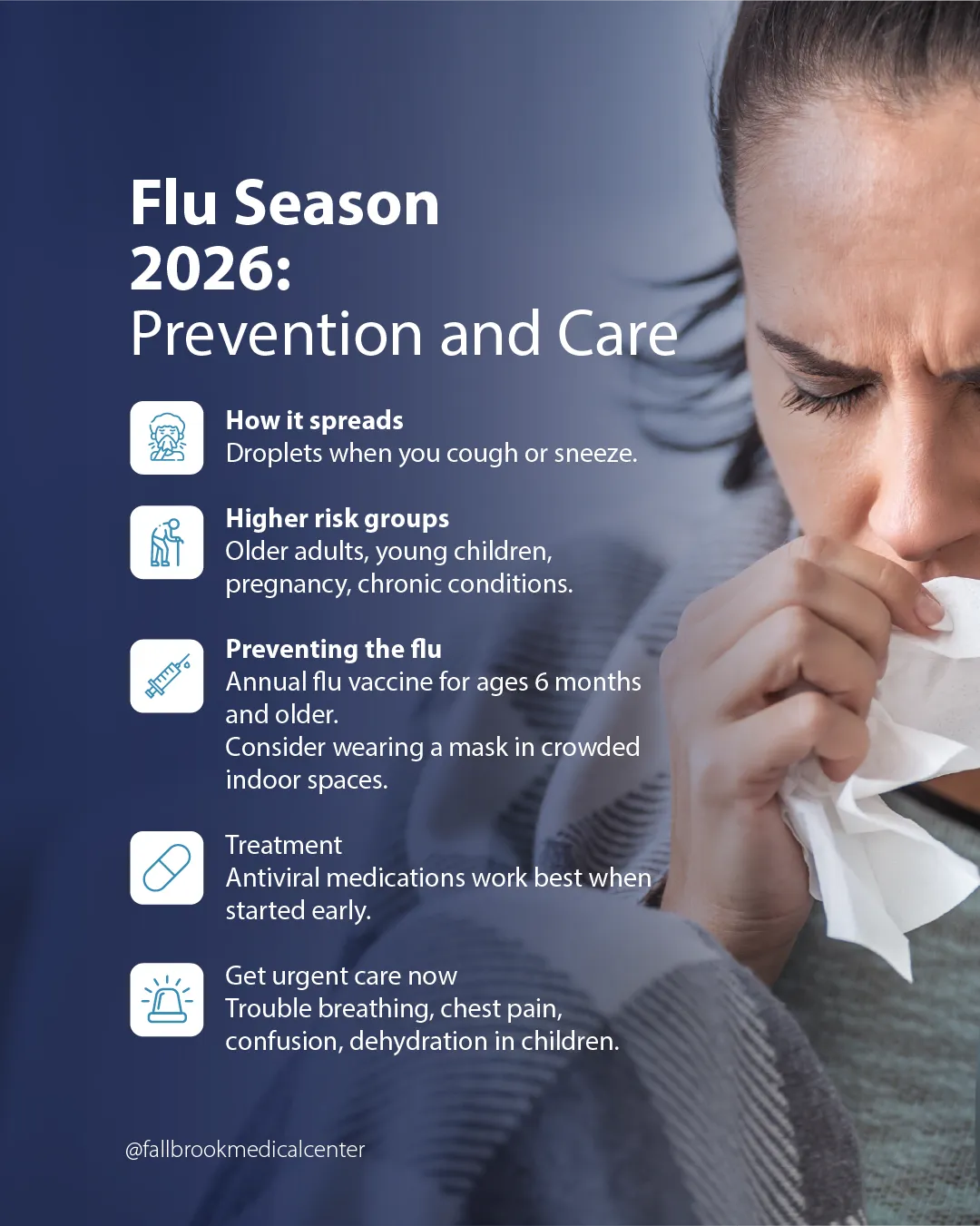
Seek urgent care for persistent chest or abdominal pain or pressure. Severe dizziness, confusion, or inability to awaken needs immediate evaluation.
In children, fast breathing or trouble breathing requires urgent assessment. Dehydration signs also need prompt care, including no urine for eight hours.
If fever or cough improves, then returns or worsens, seek medical care. This pattern can signal complications or another infection.
Who is at higher risk for complications
Anyone can get flu illness, even healthy people. However, some groups are at higher risk for severe outcomes.
CDC lists higher risk groups that include adults aged 65 and older. CDC also lists young children, especially those under two years old
People with chronic conditions like asthma, diabetes, or heart disease are higher risk. Pregnant patients are also listed among higher risk groups.
Immune systems weakened by illness or medications can raise complication risk. CDC also emphasizes vaccination for people at higher risk of serious complications.
How flu spreads in everyday life
Influenza spreads through respiratory droplets from infected people. Those droplets are released during a cough or sneeze.
Crowded indoor spaces can increase exposure risk. Risk can rise when many respiratory viruses co-circulate locally
Staying home when sick helps reduce spread. This step protects infants, older adults, and people with chronic illness.
Diagnosis and testing
Influenza can resemble other respiratory infections. CDC notes influenza and COVID-19 have overlapping signs and symptoms.
Testing can help distinguish influenza from other causes. Treatment decisions in priority groups should not wait for lab confirmation.
Treatment options and antivirals
Most people benefit from rest, fluids, and symptom relief. Some patients benefit from antiviral medications that target influenza.
CDC recommends antiviral treatment as soon as possible for hospitalized patients. CDC also recommends antivirals for severe, complicated, or progressive illness.
CDC also recommends antivirals for people at higher risk for complications. Providers may start treatment without waiting for test results.
Antiviral drug choices
CDC lists four recommended antiviral medications used in the United States. These include oseltamivir, zanamivir, peramivir, and baloxavir.
Oseltamivir is recommended as soon as possible for hospitalized patients. Outpatients with complications may also be treated with oseltamivir.
For uncomplicated influenza within two days, several options may be used. CDC lists oral oseltamivir, inhaled zanamivir, IV peramivir, or oral baloxavir.
Clinical benefit is greatest when treatment starts within 48 hours. Early treatment can shorten fever and illness symptoms in some patients.
What to do at home
Limit close contact with others while symptoms are active. This reduces exposure for higher risk family members.
Monitor breathing, hydration, and alertness throughout the illness. Seek care early if new warning signs appear.
Preventing the flu with vaccines and habits
Preventing the flu works best with multiple layers of protection. The flu vaccine remains a key preventive tool each season.
CDC recommends everyone six months and older get a flu vaccine every season. CDC notes rare exceptions, which a clinician can review.
Influenza vaccination is especially important for people at higher risk. CDC states vaccination can reduce illnesses, visits, and missed work or school.
CDC also states vaccination can reduce hospitalizations and deaths. CDC adds vaccination can make symptoms less severe if infection occurs.
When to get vaccinated
CDC states September and October are generally good times for vaccination. CDC also advises ideally being vaccinated by the end of October.
CDC notes some older adults should not vaccinate too early in summer. CDC explains protection may decrease over time in some groups.
Everyday prevention steps
Good hand hygiene helps reduce spread between people. Avoid touching your eyes, nose, and mouth after public surfaces.
Wearing a mask can help in crowded indoor settings. Choose masking when local illness levels rise.
Improve indoor airflow when possible, especially during winter gatherings. This reduces shared air exposure in tight spaces.
Flu activity and what the CDC is seeing
CDC FluView reported rising positivity across all HHS regions in week 52. CDC also reported increased outpatient respiratory illness visits above baseline.
CDC reported a cumulative hospitalization rate of 28.1 per 100,000 by week 52. CDC noted this was the third highest week 52 cumulative rate since 2010–11.
These trends support early prevention and early care for higher risk patients. They also support quick action when warning signs develop.
FAQ about flu symptoms in 2026
Can flu happen without fever?
CDC notes not everyone with flu will have a fever. Cough, fatigue, and body aches can still be significant.
When should doctors consider antivirals?
CDC recommends antivirals as soon as possible for high-risk patients. CDC also allows consideration within two days for other outpatients
Which symptoms indicate that someone needs emergency care?
Trouble breathing, chest pain, or confusion are emergency warning signs. In children, dehydration signs and fast breathing are urgent concerns.
Does vaccination still help if someone gets sick?
CDC states vaccination can reduce symptom severity in breakthrough infections. CDC also states vaccination reduces hospitalizations and deaths.
Conclusion
Flu symptoms can start suddenly and disrupt daily life. Pay attention to warning signs, especially trouble breathing and severe weakness. For personalized guidance, contact Fallbrook Medical Center to discuss testing, vaccines, and treatment options.
Sources
- Centers for Disease Control and Prevention. (2025). Signs and symptoms of flu.
- Centers for Disease Control and Prevention. (2026). Influenza antiviral medications: Summary for clinicians.
- Centers for Disease Control and Prevention. (2025). When to get vaccinated against flu.
- Centers for Disease Control and Prevention. (2026). Weekly U.S. influenza surveillance report: Week 52 ending Dec. 27, 2025.