


Understanding High Fever in Adults: A Complete Guide
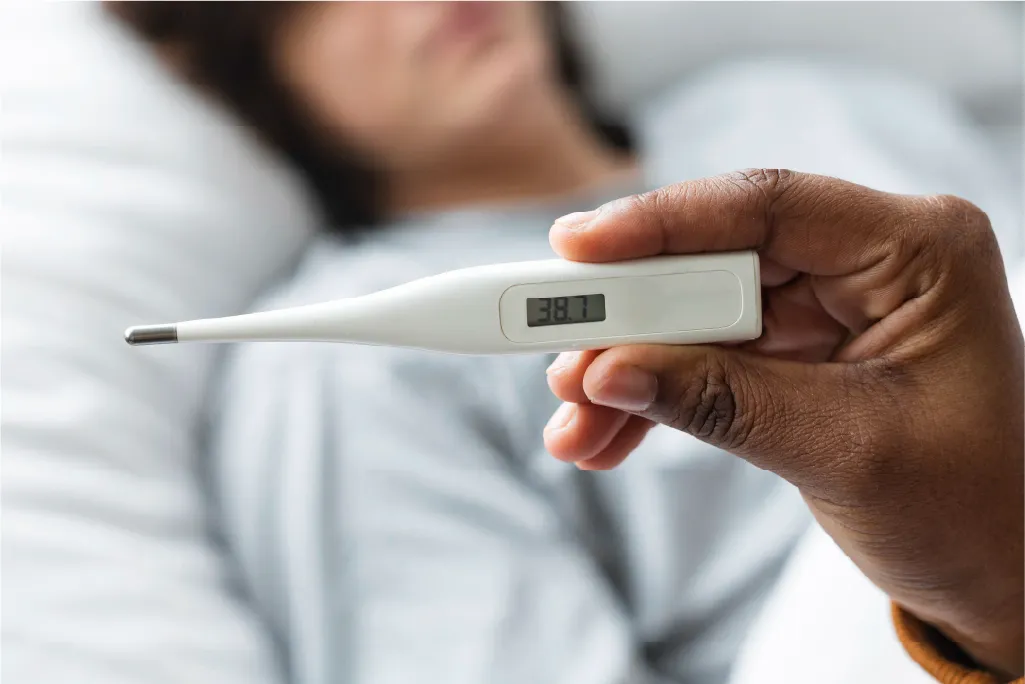
Feeling unusually hot and tired can be very alarming. It is a sign your body is fighting something. You might wonder when you should worry about your symptoms.
A high fever in adults requires careful monitoring and attention. This guide explains what you need to know today.
We will explore the common causes and home treatments. You will learn when to seek urgent medical care. Fallbrook Medical Center is always here to support you.
What temperature counts as a fever?
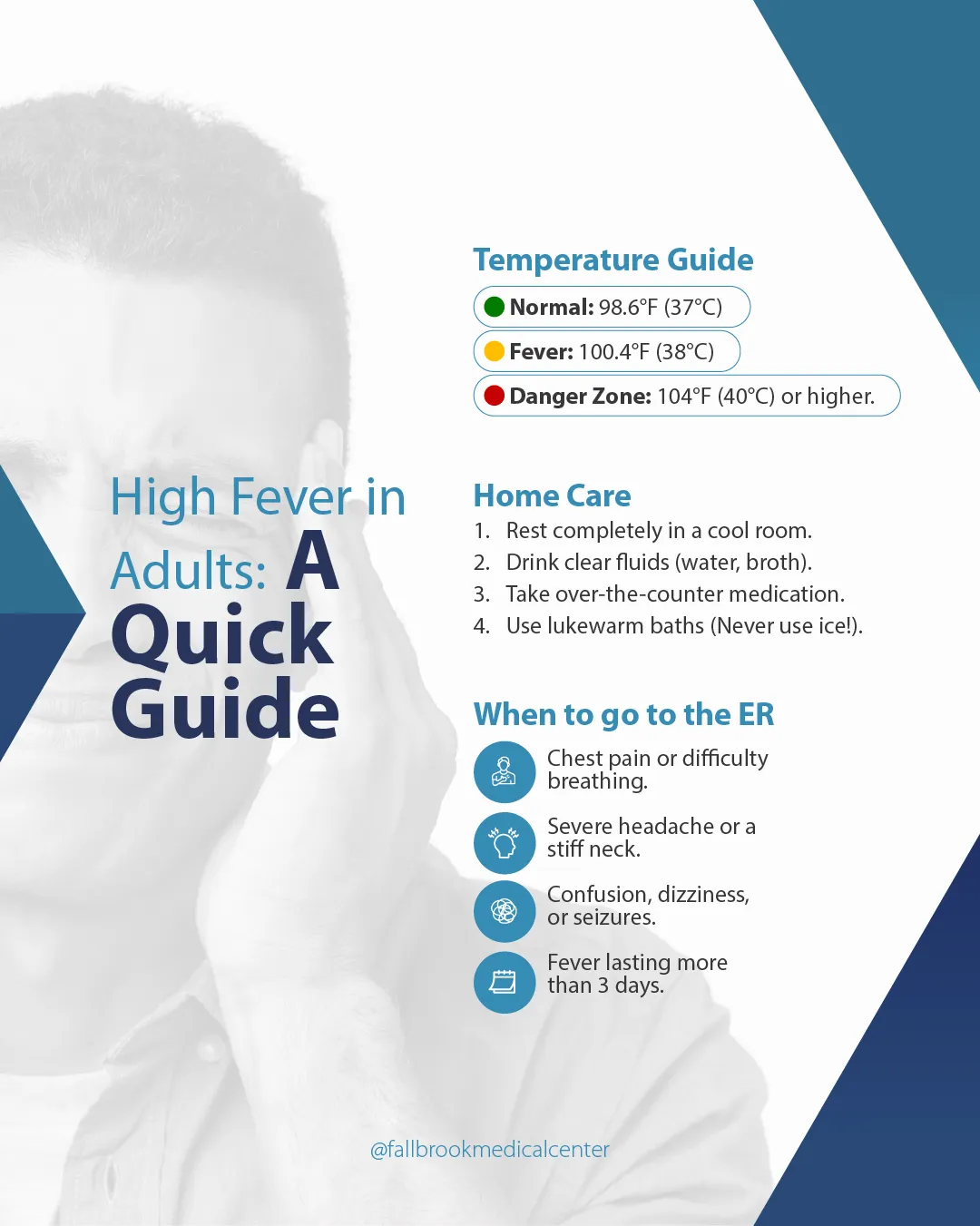
A normal human reading is usually 98.6 f 37 c. However, a healthy person’s body temperature varies slightly daily.
It can change based on your activities and the time. Doctors usually define a fever as a temperature of 100.4 f. This equals a reading of 38 c or higher.
When your heat levels rise, your body reacts strongly. This elevated body temperature shows your immune system is working. It means your body is actively fighting infection effectively.
A mild increase is not always a reason to panic. Your internal thermostat adjusts to help you survive illness. The brain controls this complex temperature regulation process daily.

Common Causes of an Elevated Body Temperature
Many different illnesses can make your temperature higher quickly. The most frequent causes are common viral infections today. These include the seasonal flu and the common cold. Bacterial infections like strep throat also cause intense heat.
Food poisoning and stomach bugs also raise your heat. Your body tries to burn out the invading bad germs. Urinary tract infections are another frequent bacterial culprit today. Skin infections can also cause your body heat to spike.
Sometimes, inflammation from other medical conditions causes the issue. Certain medications can also trigger an unexpected heat response. You must track your symptoms to help doctors diagnose you.
The Role of the Immune System
Your body is a very smart and complex machine. The immune system uses heat as a natural defense weapon. Viruses and bacteria struggle to survive in very hot environments. Therefore, a higher temperature helps slow down the invading germs.
This is why doctors sometimes suggest letting a mild fever run. Taking medicine too early might prolong your mild illness. However, you must always balance comfort with the healing process. Ask your primary care provider for personalized medical advice.
When Is a Fever a Medical Emergency?
Most mild fevers go away within a few days. However, a high fever can sometimes become very dangerous. You should seek medical care if it reaches 104 f 40 c. A reading this high is considered a true medical emergency.
You must visit the emergency room if you experience chest pain. Trouble breathing and severe headaches also require urgent medical attention. Do not ignore confusion, stiff neck, or sudden extreme weakness. These symptoms indicate a severe problem that needs fast treatment.
A fever lasting more than three days needs professional evaluation. Seizures or extreme dizziness are also critical warning signs. An emergency room doctor can run blood tests quickly. They will find the exact root cause of your sickness.
How to Manage a Grade Fever at Home
You can often manage a low grade fever comfortably. Rest is the most important step for your recovery. Drink plenty of water and clear fluids to stay hydrated. Avoid heavy clothing or thick blankets that trap heat.
Over-the-counter medications can help lower your discomfort safely. Acetaminophen and ibuprofen are common choices for fever in adults. Always follow the package instructions and consult your doctor. Never take more than the recommended daily dosage limits.
Taking a lukewarm bath can provide excellent temporary relief. Do not use cold water or ice baths ever. Extreme cold makes you shiver and raises your internal heat.
Eat light foods like soups and crackers if you feel hungry. Resting allows your immune system to focus on healing.
Frequently Asked Questions (FAQ)
Is treatment different if my child has a fever?
Yes, pediatric guidelines are very different from adult rules. Always call a pediatrician for babies under three months old. Children need specific medicine doses based on their exact weight.
How long should an elevated temperature last?
Most normal fevers resolve within three to four days. If it lasts longer, you need to see a doctor. Prolonged heat could signal a hidden bacterial infection hiding inside.
Can I exercise with a high temperature?
No, you should strictly avoid working out right now. Exercise raises your body heat and causes dangerous dehydration. You must rest completely until your symptoms fully disappear.
Conclusion
Dealing with illness is stressful for you and your family. Knowing how to handle these symptoms brings peace of mind. Remember to monitor your heat levels and stay well hydrated.
If you feel unsure, never hesitate to ask for help. Fallbrook Medical Center provides expert care for our local community. We can evaluate your condition and offer the right treatment. Contact us today to schedule your health assessment quickly.
Our team uses advanced tools to check your health status. We provide compassionate care tailored to your specific needs. Trust our experienced staff to guide your recovery journey smoothly. Your health and safety are our absolute highest priorities.
References
- Apollo Diagnostics. (2024). Understanding body temperature changes and immune responses.
- DoCTronic. (2023). Viral infections and their effects on human health.
- Mayo Clinic. (2025). Fever – Diagnosis
- Yahoo Health. (2023). When to visit the emergency room for a high temperature.
- HSE (2023). Fever in adults