


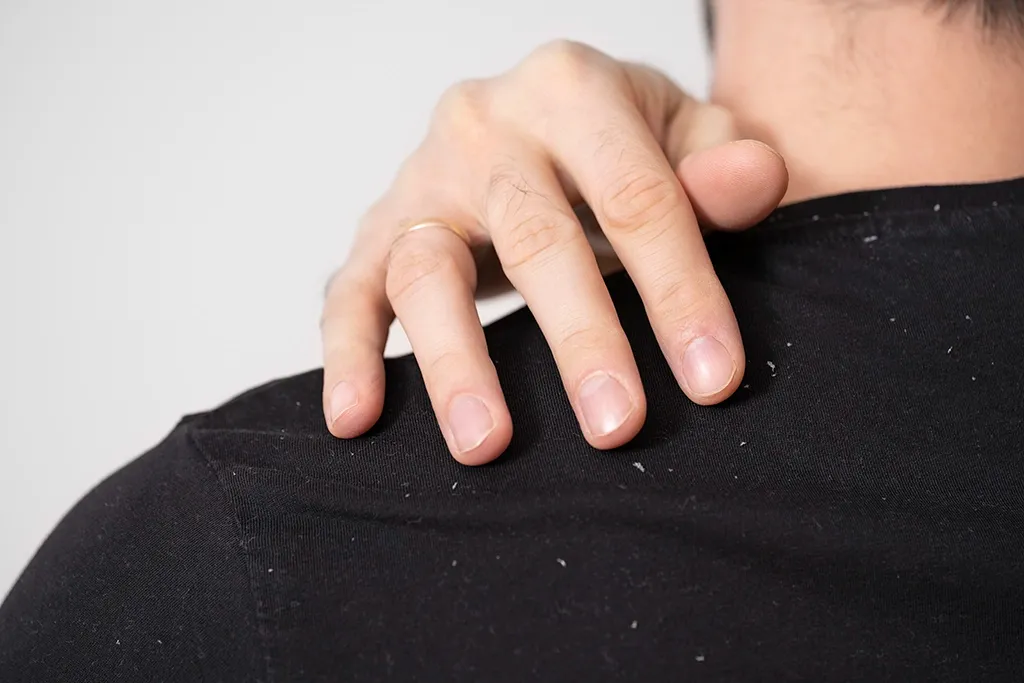
Dandruff is a very common scalp issue. Many people notice white flakes on their shoulders. You might wonder if this condition affects your hair density.
The short answer is that dandruff itself does not directly cause hair loss. However, it can lead to hair loss indirectly.
This happens through itching and scratching. Constant scratching can injure your scalp. This damage may harm your hair follicles.
Over time, this leads to hair shedding. Understanding this link is key to saving your hair.
The Connection Between Dandruff and Hair Loss
Dandruff is technically a medical condition called seborrheic dermatitis. It causes flaky skin and itchiness. It is not defined as a primary cause of hair loss. Yet, the side effects can be damaging.
Itching and Mechanical Damage
The main culprit is the itch. Dandruff makes your scalp feel very itchy. You naturally want to scratch it. Scratching might feel good for a moment. But it causes physical trauma to your scalp.
This trauma can weaken your hair roots. It leads to hair loss called traction alopecia or mechanical shedding. Aggressive scratching damages the skin cells.
It can also break the hair shaft directly. Over time, this can leave you with damaged hair follicles and visible thinning.
Inflammation and Follicles
Severe dandruff involves inflammation. Seborrheic dermatitis is a chronic form of eczema. It causes red, swollen patches on the scalp. Inflammation is bad for hair growth.
Swelling around the root can disturb the hair cycle. It may push hairs into the shedding phase too soon. This results in noticeable hair thinning. Treating the inflammation often reverses this loss.
Common Scalp Conditions Linked to Shedding
Dandruff is just one skin condition. Others can also cause flakes and hair loss. It is important to know the difference.
Scalp Psoriasis
Scalp psoriasis is an autoimmune disease. Your immune systems attack healthy skin cells. This causes thick, silvery scales. It is different from simple dandruff.
Psoriasis can cause temporary hair loss. The thick scales can trap hair. Scratching these plaques pulls hair out. You need a doctor to treat this effectively.
Malassezia Yeast
A yeast called Malassezia lives on everyone’s scalp. Sometimes it grows out of control. It feeds on scalp oils. This irritates your skin and causes more skin cells to shed.
This rapid shedding creates visible flakes. The irritation can also affect hair growth. Keeping this yeast in check is vital.
Effective Ingredients for Treating Dandruff
You can stop dandruff-related hair loss. The key is using the right hair products. Look for a medicated shampoo with specific ingredients.
Zinc Pyrithione
Zinc pyrithione is a top ingredient. It kills the fungus and yeast on your scalp. It helps reduce inflammation as well.
Using this regularly can stop the itching. This prevents you from scratching. Your hair follicles can then heal.
Selenium Sulfide
Selenium sulfide is another strong option. It slows down the death of skin cells. This reduces the amount of flakes. It also fights the yeast growth.
Salicylic Acid
Salicylic acid helps exfoliate the scalp. It removes the buildup of dead skin. This allows other medications to work better. It keeps pores clear and healthy.
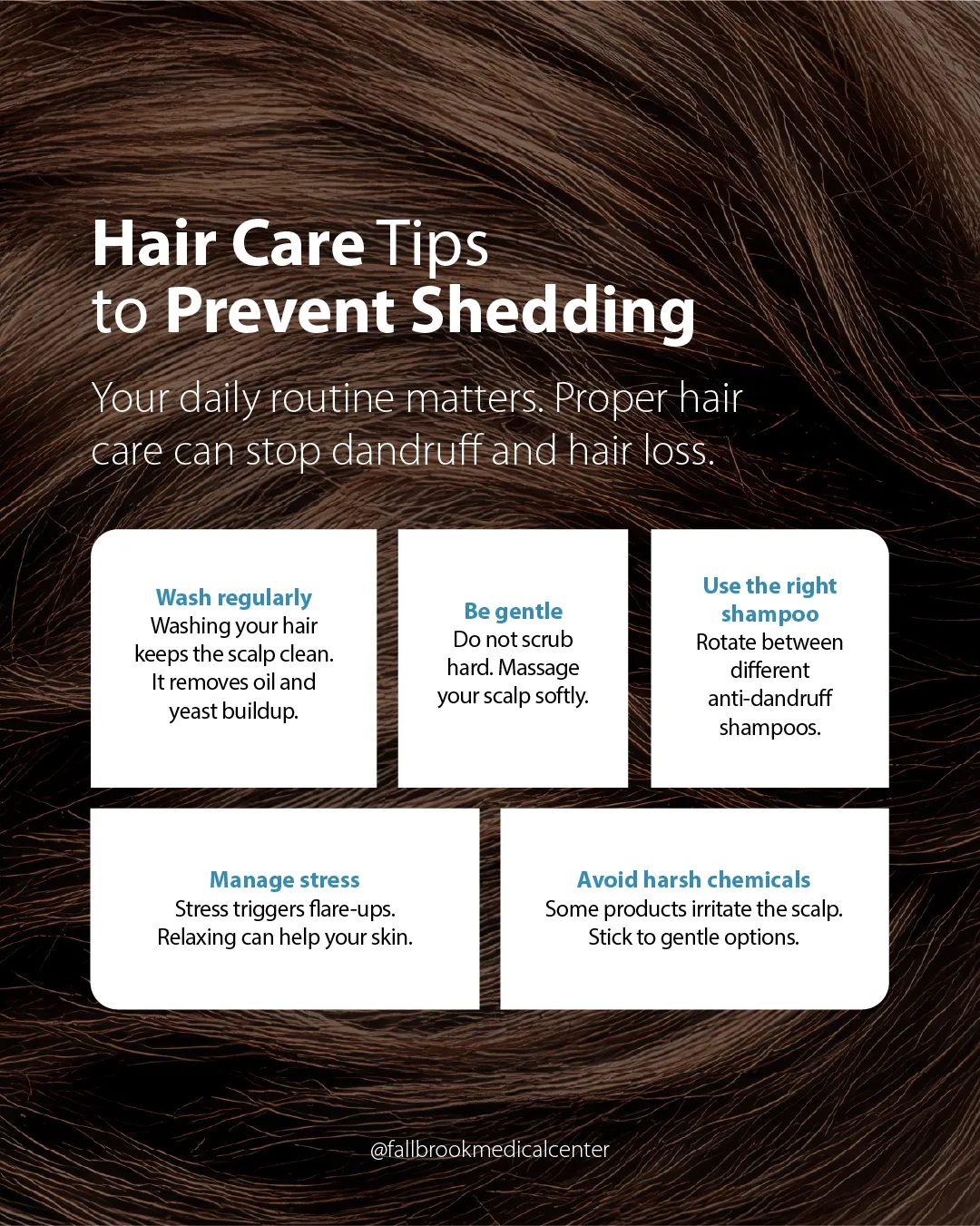
Hair Care Tips to Prevent Shedding
Your daily routine matters. Proper hair care can stop dandruff and hair loss.
- Wash regularly: Washing your hair keeps the scalp clean. It removes oil and yeast buildup.
- Be gentle: Do not scrub hard. Massage your scalp softly.
- Use the right shampoo: Rotate between different anti-dandruff shampoos.
- Manage stress: Stress triggers flare-ups. Relaxing can help your skin.
- Avoid harsh chemicals: Some products irritate the scalp. Stick to gentle options.
When Dandruff Leads to Visible Hair Thinning
Sometimes dandruff flare-ups are intense and chronic. In these cases, inflammation and scratching may cause more serious problems.
Prolonged inflammation can weaken the follicles. In rare situations, this can create scarring that permanently damages hair follicles. This risk is higher when seborrheic dermatitis is severe and untreated over many months.
That is why ignoring dandruff is not a good idea. Early treatment of any skin condition on the scalp gives better outcomes. It lowers the chance that dandruff cause hair loss beyond temporary shedding.
When to See a Doctor
Most dandruff clears up with store-bought shampoo. Sometimes you need more help. If your scalp is very red or swollen, see a doctor.
If you see patches of baldness, get checked. This could be alopecia areata. This is different from dandruff.
A dermatologist can give you a correct diagnosis. They can prescribe stronger treatments if needed.
Conclusion
Can dandruff cause alopecia? Not directly. But the itching and scratching can cause hair thinning. Conditions like seborrheic dermatitis also inflame the scalp. This disrupts healthy hair growth.
The good news is this hair loss is usually temporary. Treating dandruff solves the problem.
Use a good dandruff shampoo. Stop scratching your head. Your hair will likely grow back strong.
Frequently Asked Questions
Can dandruff cause permanent baldness?
No, dandruff does not cause permanent baldness. Hair usually grows back once the scalp condition is treated.
Does washing your hair too often cause dandruff?
No, washing helps remove oil and flakes. Not washing enough can actually make dandruff worse.
Is dandruff a fungus?
Dandruff is often caused by a yeast-like fungus. This yeast is called Malassezia.
Can stress make dandruff worse?
Yes, stress weakens your immune response. This can trigger dandruff flare-ups and itching.
Will cutting my hair short help with dandruff?
Short hair makes it easier to treat the scalp. Sunlight can also reach the scalp better.
References
- American Academy of Dermatology. (n.d.). Seborrheic dermatitis: Signs and symptoms.
- Borda, L. J., & Wikramanayake, T. C. (2015). Seborrheic dermatitis and dandruff: A comprehensive review. Journal of Clinical and Investigative Dermatology, 3(2).
- Mayo Clinic. (2023). Dandruff.
- National Health Service. (2023). Dandruff.
- Schwartz, J. R., Messenger, A. G., Tosti, A., & Todd, G. (2013). A comprehensive pathophysiology of dandruff and seborrheic dermatitis – towards a more precise definition of scalp health. Acta Dermato-Venereologica, 93(2), 131–137.