


Spironolactone for Hair Loss: What Women Should Know
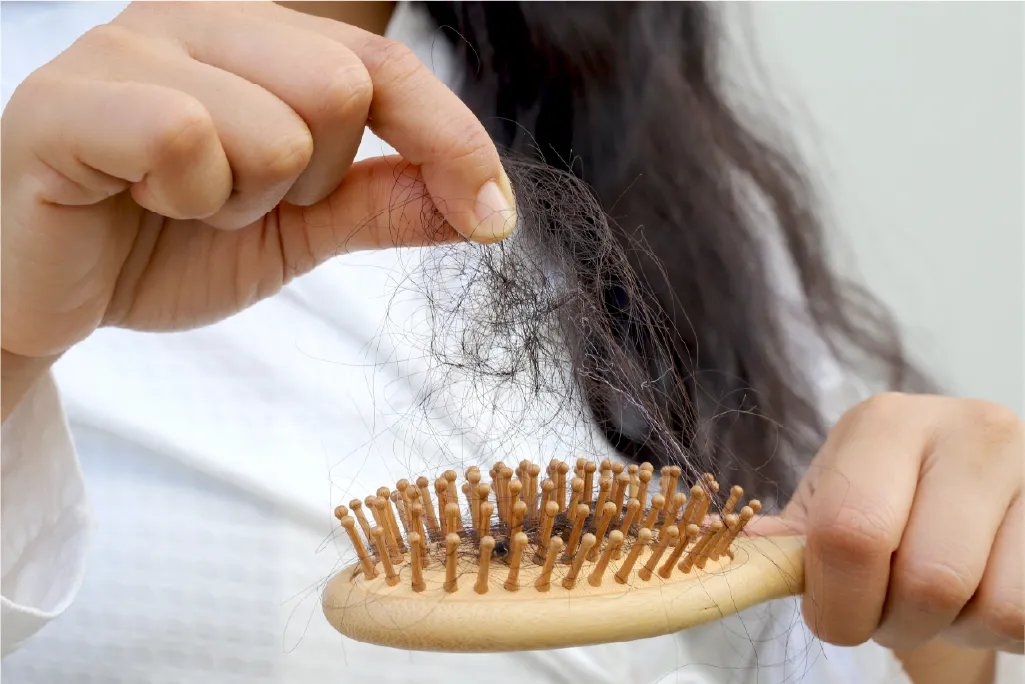
Hair thinning can feel confusing and personal. Many women blame stress or age. Sometimes, hormones play a bigger role than expected.
This article explains spironolactone for hair loss. It focuses on women and common patterns. It also covers safety and realistic timelines.
What is spironolactone?
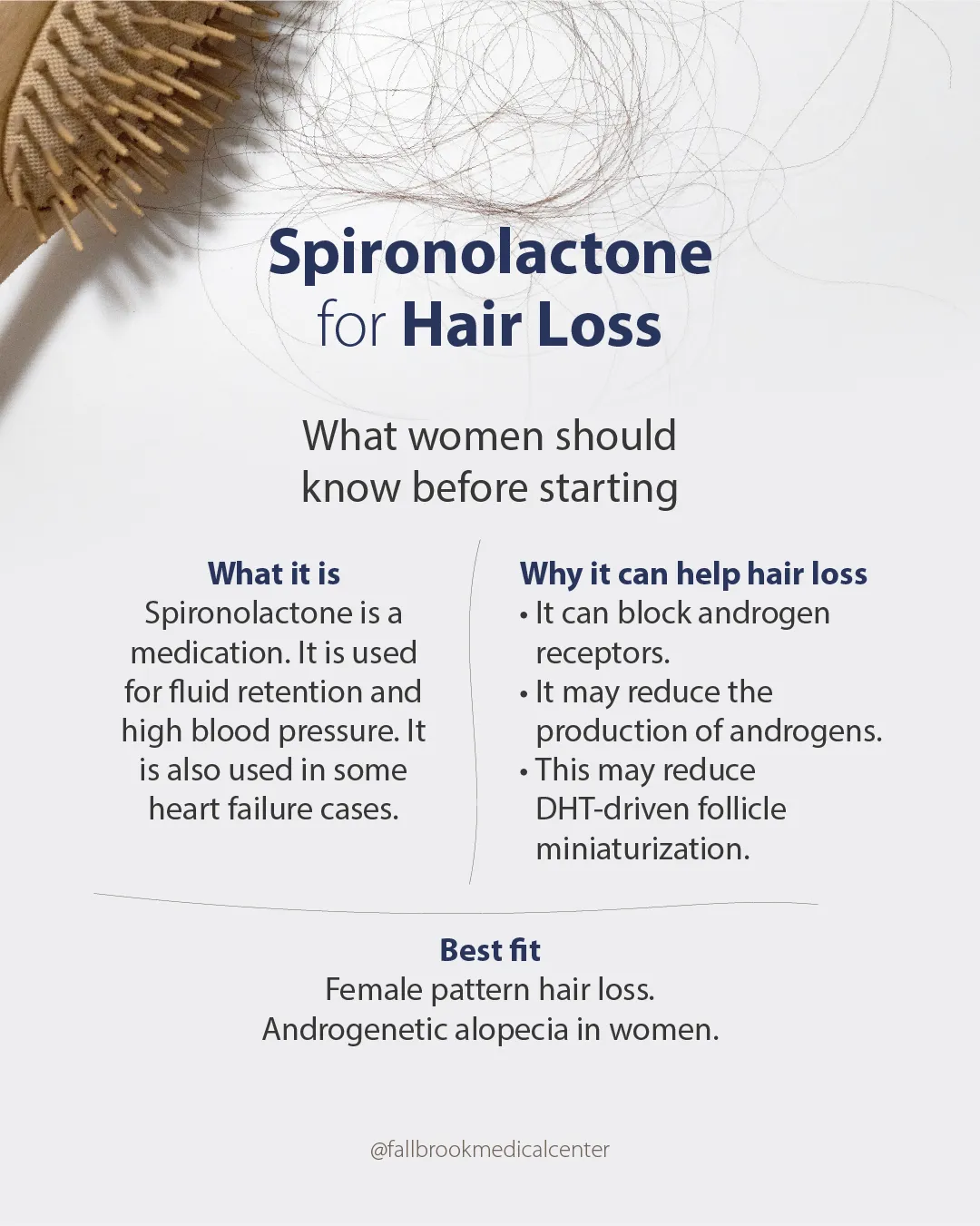
Spironolactone is a medication used in several medical settings. Clinicians prescribe it for high blood pressure in some patients. Also used in some cases of heart failure. Another approved use involves fluid retention from specific conditions.
Spironolactone is also known as an aldosterone antagonist. It has antiandrogen effects that matter for some hair conditions.
Why hair loss happens in women
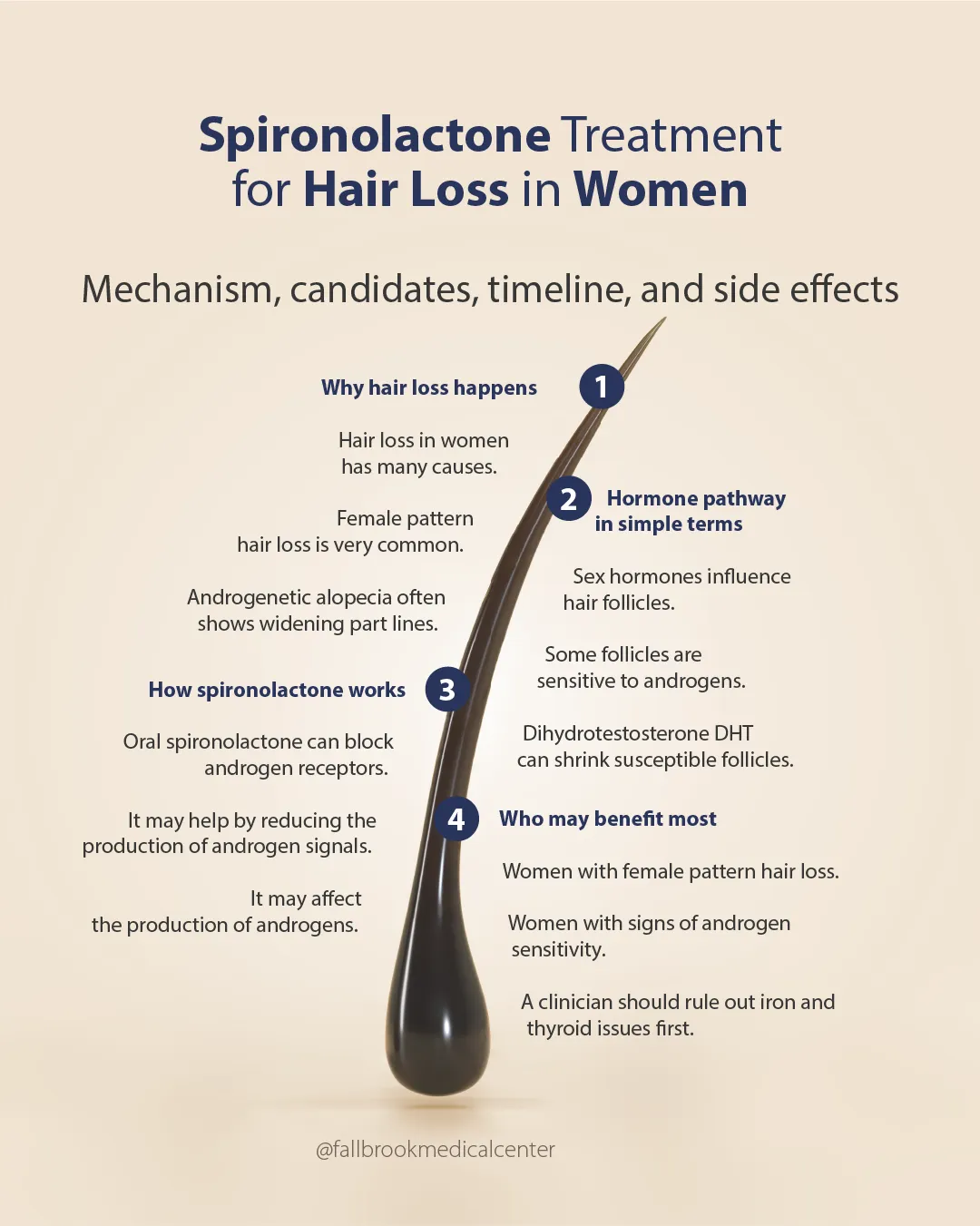
Hair loss in women has many causes. Iron deficiency can contribute. Thyroid disorders can contribute too. So can postpartum changes and rapid weight loss.
A very common diagnosis is female pattern hair loss. Also called androgenetic alopecia in women. It often looks like widening part lines. It can also look like diffuse crown thinning.
Researchers estimate it becomes more common with age. It can affect quality of life.
How spironolactone may help with thinning hair
Some hair follicles are sensitive to androgens. Androgens are influenced by sex hormones. In susceptible follicles, the growth phase can shorten.
One key androgen pathway involves dihydrotestosterone dht. DHT can contribute to follicle miniaturization in androgen-sensitive areas.
Spironolactone may help by blocking androgen receptors. It may also affect the production of androgens. This supports reducing the production of androgen signals at the follicle.
That is why it is sometimes used for treating hair loss. Often, patterns suggesting hormonal influence are considered.
Who may be a good candidate?
Spironolactone is mainly studied in women with pattern thinning. It is commonly considered for adult womenery type of shed are considered are consideredding.
A clinician usually rules out other drivers first. That includes iron issues and thyroid issues. It also includes scalp inflammation and scarring causes.
In practice, it can be one treatment for hair loss. It is often paired with topical therapies.
Evidence for spironolactone treatment in female pattern thinning
A 2023 systematic review and meta-analysis evaluated oral use in women. The authors concluded it appears effective and generally safe. They also noted the evidence has variability and needs more research.
A JAAD report described typical dosing patterns in practice. It reported an average daily dose near 100 mg. It also reported a range from 25 mg to 200 mg daily.
Oral spironolactone and realistic timelines
Oral spironolactone works slowly for hair changes. Many people notice less shedding first. Visible thickening can take months. Some sources note full results can take up to a year.
This timeline can feel discouraging. It is normal to want fast changes. Hair follicles move in cycles. Those cycles take time.
What to discuss before starting
Bring a full medication list to your visit. Ask about interactions and monitoring. Share pregnancy plans or contraception details.
Tell your clinician about kidney disease history. Tell them about heart rhythm history too. These details can change safety decisions.
Ask about baseline labs, if needed. Ask how often follow-ups happen. Make a shared plan for milestones.
Potential side effects and safety considerations
All medications have risks. Spironolactone has known potential side effects. Many are mild and manageable. Some require prompt medical attention.
Commonly discussed issues include breast tenderness. Some people report menstrual changes. Some people feel dizzy or fatigued.
There are also serious risks in certain patients. Electrolyte changes can occur, including high potassium. That risk is higher with kidney disease or specific medications.
Mayo Clinic lists a wide range of reported reactions. It also lists overdose warning symptoms like irregular heartbeat.
If you notice concerning symptoms, contact a clinician. Do not “push through” severe weakness. Do not ignore heart rhythm symptoms.
Side effects of spironolactone that matter for hair patients
People often ask about shedding at the start. Temporary shedding can happen with many hair therapies. It can reflect a cycle shift rather than failure.
Some references also list hair thinning as a possible effect. That is not the typical goal in hair clinics. It is a reason to follow up if it happens.
Keep a simple symptom log. Track shedding and scalp changes monthly. Bring photos to follow-up visits.
Spironolactone and other hair growth strategies
Spironolactone is rarely the only tool. Many plans also include topical minoxidil. Nutrition and iron status matter too. Stress and sleep support can help.
Your clinician may discuss lab testing. They may also examine the scalp closely. They may recommend dermatology referral when needed.
The goal is steadier hair growth over time. The plan should match your diagnosis. It should also match your medical history.
When to seek care sooner
Seek care quickly if hair loss is sudden. Seek care if you see bald patches. Seek care if your scalp burns or scars. Those features suggest a different condition.
Also seek care if you are pregnant or trying. Medication choices change during pregnancy. Your clinician can guide safer options.
Frequently Asked Questions
How does spironolactone work for hair loss?
It can block androgen receptors at the follicle. It may also reduce androgen signaling. This can help some women with pattern thinning.
How long does spironolactone take to work for hair loss?
Early changes may appear within months. Visible improvement often takes about six months. Some people need a year for full results.
How much spironolactone for hair loss is usually used?
Dosing is individualized by a clinician. Studies report ranges from 25 mg to 200 mg daily. Many reports describe around 100 mg daily on average.
Is 50 mg of spironolactone enough for hair loss?
It can be enough for some people. It depends on response and side effects. A clinician may adjust slowly over time.
Can spironolactone be used alone?
Sometimes, yes. Combination plans are common in practice. Your clinician can match options to your diagnosis.
Conclusion
Spironolactone can support treating hair loss in some women. It is most relevant for pattern thinning with androgen sensitivity. Results take time and require follow-up. Safety matters, especially with other conditions and medications.
If you want a personalized plan, book a visit with Fallbrook Medical Center. We can confirm the cause and discuss options that fit your health.
Sources
- Aleissa, M., et al. (2023). The efficacy and safety of oral spironolactone in the treatment of female pattern hair loss: A systematic review and meta-analysis. Cureus.
- Burns, L. J., et al. (2020). Spironolactone for treatment of female pattern hair loss. Journal of the American Academy of Dermatology.
- GoodRx. (2024). Spironolactone and hair loss: Does it work for women?
- Healthline. (2018). Spironolactone for hair loss: Benefits, dosage, and side effects.
- Healthline. (n.d.). Spironolactone oral tablet: Side effects, uses, dosage, and more.
- Mayo Clinic. (2026). Spironolactone (oral route) – description and side effects.
- BenchChem Technical Support Team. (2025). Cellular targets of spironolactone beyond the mineralocorticoid receptor. BenchChem.