...


Blog

Treatments-for-Chronic-Pain-Alternatives-to-Opioids.webp

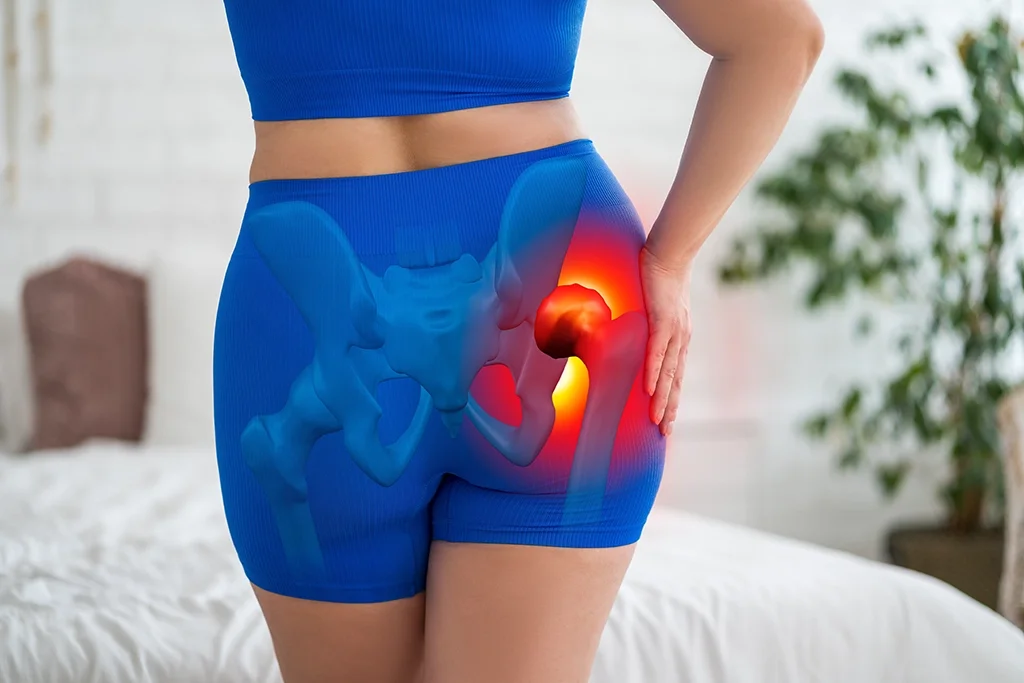
Reading about treatments for chronic pain. Chronic pain is a common problem that affects millions of people, drastically lowering their quality of life. Opioids have traditionally been the principal treatment for chronic pain due to their efficacy in pain reduction. However, the continuing opioid epidemic in the United States has drawn attention to the dangers of opioid reliance and abuse, resulting in a renewed interest in non-opioid alternatives. Fortunately, advances in medical technology and a greater knowledge of pain have resulted in new and safer therapeutic alternatives. In this post, we’ll look at promising non-opioid treatments for chronic pain, such as AI-powered therapy, nerve stimulation, and mindfulness.

I-Based Therapies for Personalized Pain Management

Artificial intelligence (AI) is revolutionizing healthcare, and its influence on pain management is especially promising. AI-based therapies provide a personalized approach to managing chronic pain by adapting treatment strategies to each patient’s specific needs. One of the primary advantages of AI in pain management is its ability to evaluate vast volumes of data and forecast pain patterns and results, resulting in more accurate and individualized treatment options.


The-Incredible-Benefits-of-10-Minutes-of-Vibration-Therapy.avif

Benefits of Vibration Therapy. This is not a novelty, but it’s been a real buzzword in the last decade. It has many promising potential benefits, from promoting weight loss and improving bone density to enhancing blood circulation and even relieving pain and stress. 

Many health and holistic practices worldwide offer vibration therapy as part of their wholesome regimen, helping patients and customers complement other aspects of their wellness journey. Here’s what only 10-15 minutes of daily vibration therapy can do for your health.


The-Lifeline-to-Longevity-Essential-Tips-for-a-Stronger-Heart-Portada.webp

For a stronger heart. The body is a well-oiled machine that works 24/7 to keep you alive and functioning. Still, every cell in your body depends on your heart and how healthy it is. The goal of longevity is to keep your heart healthy for as long as you possibly can. This can be done by avoiding those habits that add strain to this important muscle, as well as by implementing smart lifestyle changes that will promote and improve your cardiovascular health. Here are the most essential tips for a stronger heart.

The Heart Muscle

Your heart is the main organ of your cardiovascular system, and its main goal is to supply each and every cell in your body with oxygen and nutrients, while taking away waste. It’s divided into four sections, also known as chambers, that work in unison to pump blood throughout the body. This is done through constant rythmic pumps directed by your brain and nervous system. These pumps involuntary, meaning you’re not able to control their speed or pattern, but there are plenty of different factors that play a role in their function.

The heart is comprised of four heart chambers that work in a circulatory pattern, pumping the blood efficiently through the body:

  • Left ventricle – the left ventricle sends oxygen-rich blood into your body which circulates and brings the carbon dioxide and waste into the right atrium.
  • Right atrium – your right atrium accepts the blood coming from the upper and lower part of the body and pumps it into the right ventricle.
  • Right ventricle  – the right ventricle pumps the oxygen-poor blood into your lungs where it gets refreshed with new oxygen and pushed into the left atrium.
  • Left atrium – the left atrium then pumps the oxygen-rich blood into the left ventricle where it gets sent through the rest of your body.

This cycle is never broken or paused, allowing for everything to run smoothly and keeping you alive. In addition to the four chambers, there are other parts of your heart that ensure optimal function:

  • Heart walls – these muscles contract and enable the heart to pump blood in an efficient way.
  • Blood vessels – your intricate network of blood vessels acts as tunnels through which the blood is carried throughout the body.
  • Valves – the valves act as doors between your chambers, allowing the blood to flow freely, but not before each chamber has completed its function.

Logo Fallbrook Medical Center Footer

© Copyright 2024, Fallbrook Medical Center